The Island Enterprise Browser, on a device that holds nothing worth stealing.
The Enterprise Browser is Island's secure browser for work, it governs access, security, and experience for every user on any device. Scylos ZeroCore is a substrate that replaces the operating system underneath. Together, you run the Island Enterprise Browser as a disposable container on a stateless Scylos ZeroCore device, one that stores no data, exposes no OS to attack, and resets clean every time.
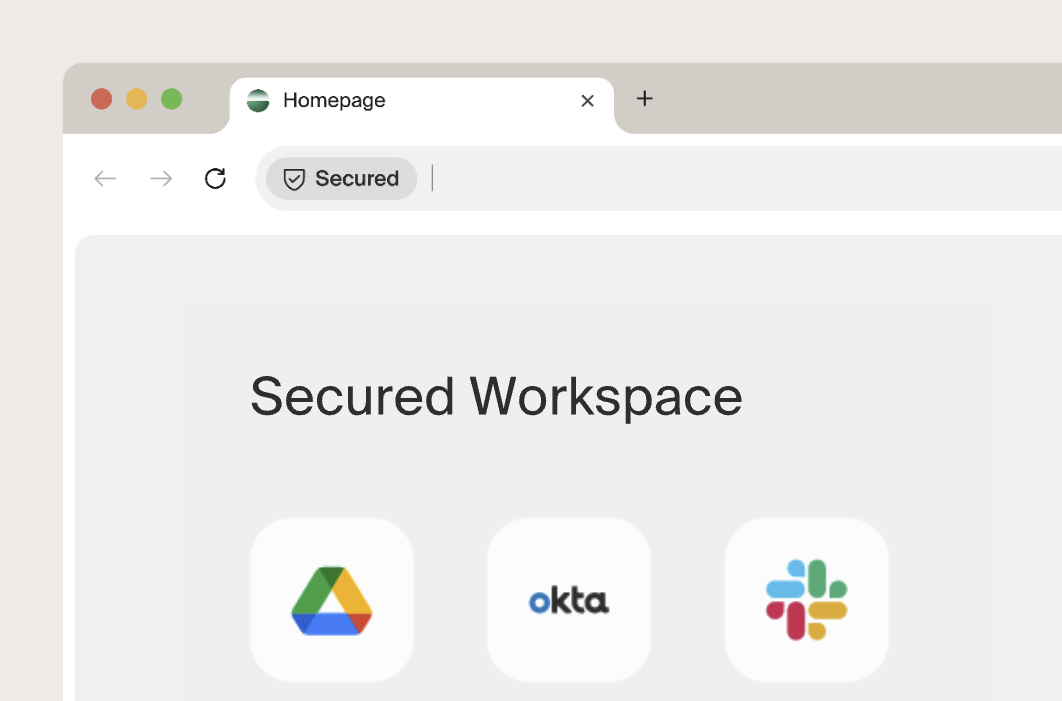

Island makes the browser.
ZeroCore is the operating substrate.
Island, the Enterprise Browser
Island is the company behind the Enterprise Browser, the secure browser for work. It governs identity, data, and activity inside the session.
Scylos, the stateless operating substrate
Scylos is a separate company. ZeroCore replaces the operating system with a stateless substrate, so the device stores nothing and resets clean.
Port1, together, on one endpoint
Run the Island Enterprise Browser as a disposable container on a Scylos ZeroCore device, the browser's controls on hardware that keeps nothing. Today, in conjunction with Port1, the MSP channel can get this solution paired from Port1 as IslandOS.
The browser is where work happens now. The device underneath didn't change.
Most enterprise work has moved into the browser, SaaS, internal web apps, and virtualized sessions all reached through one governed surface. The Island Enterprise Browser controls that surface well: identity, access, and what users can copy, paste, download, or see. But the browser still has to run on something. Today that something is Windows, macOS, ChromeOS, or a managed Linux endpoint, a full operating system that has to be patched and defended for as long as the device exists, and that keeps data on the machine long after the user logs off. The application layer got modern. The endpoint underneath stayed exactly the same.
Island is the control point at the session layer.
Conditional access at the point of use
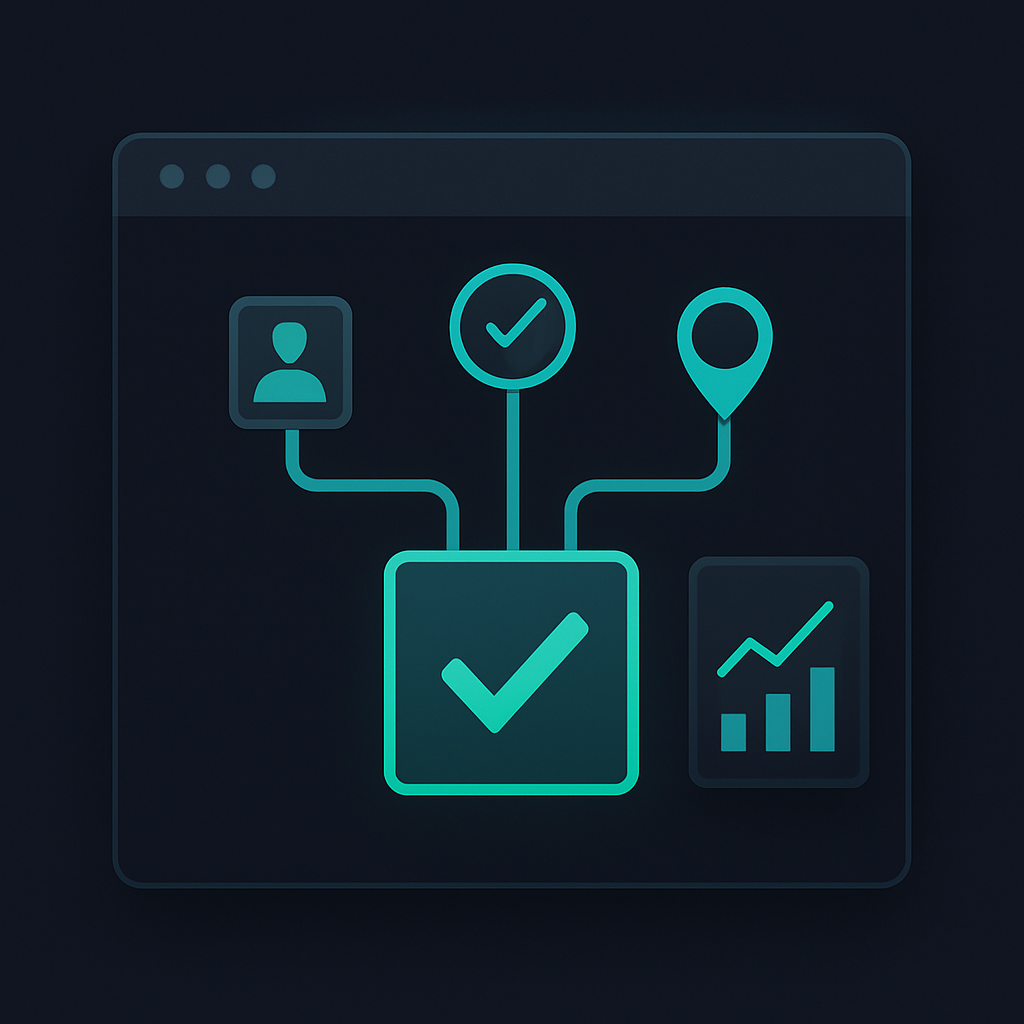
Controls that assess identity, device posture, network, and location, applied universally so users safely reach data and resources on any device.
Last-mile data-loss controls
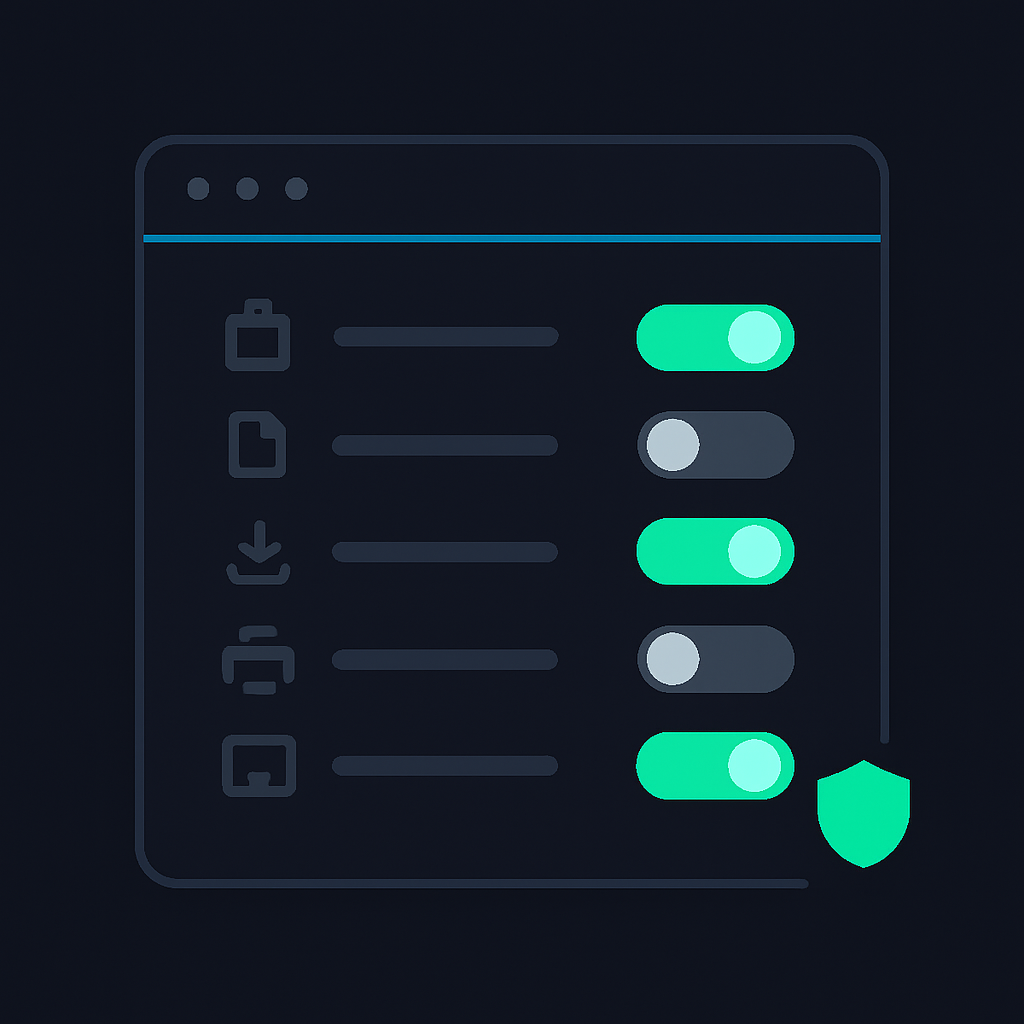
Context-based policies that let data move freely between approved apps while governing copy, paste, download, print, and screenshots, even outside the browser.
Built-in threat protection
Defends against the full spectrum of web threats, malware, phishing, session hijacking, and man-in-the-browser, without bolted-on agents.
High-fidelity work visibility
See all work activity and stream it to your SIEM, while keeping personal browsing private with a clear privacy indicator.
Enterprise control, built into the browser, on a device that keeps nothing.
Island governs identity, data, and activity at the session layer. Scylos ZeroCore makes sure the device underneath stores none of it. Together you get the enterprise browser's controls on an endpoint with no persistent operating system to attack or leave data behind.
A complete workplace surface, not just a security control.
Reduce or replace VDI
A modern alternative to virtual desktop infrastructure, secure access to web and private apps without the cost and latency of remoting.
Runs on any OS and device
Windows, macOS, iOS, iPadOS, Android, Linux, ChromeOS, and Scylos ZeroCore, plus an extension for Chromium-based browsers, so BYOD and contractor access stay simple.
Built-in productivity
An AI assistant for writing and summarizing, a smart clipboard, and an ad and tracker blocker, all native to the browser.
Work and personal stay separate
Give full work visibility to IT while keeping employees' personal browsing private, the BYOD dream without the security nightmare.
Scylos ZeroCore is a stateless foundation for the browser.
Scylos ZeroCore is not an operating system. It's a stateless execution substrate, a minimal, cryptographically verified foundation that exists only to run authorized, containerized workloads and then reset completely. There is no user shell, no installed software, no writable file system, and no persistence. The fleet is governed by Scylos Switchboard, a single-tenant control plane that runs in your own AWS environment and decides what each device is allowed to run, for whom, and for how long.
Remove the operating system and the work that came with it disappears.
- There is nothing to patch, and no antivirus or EDR agent to run on the endpoint.
- There are no profiles, credentials, or files left behind between sessions.
- There is no configuration drift, because there is nothing local to drift.
- Recovery happens by restarting clean rather than by remediating a compromised machine.
Island keeps every control. The substrate adds what the browser can't.
A fresh browser, every session
A new, isolated Island container starts per session and is destroyed at logout or badge tap-out. Nothing carries over.
Nothing left on the device
No profiles, credentials, or files at rest outside the live session. When it ends, there's nothing local to recover or breach.
Control below the browser
Network egress and policy are enforced at the substrate, underneath Island's own controls.
Proven clean before it connects
The device cryptographically attests that it's running the authorized baseline before a session begins.
No agents, no patch cycle
No antivirus, EDR, or OS patching on the endpoint, because there's no persistent operating system to defend.
Runs on hardware you already own
New PCs, thin clients, all-in-ones, or older repurposed machines, all managed identically from Scylos Switchboard.
“Island secures the session. Scylos ZeroCore makes sure there's nothing left underneath it to compromise.”
Island is identical in both columns. What changes is what the device leaves behind.
Strongest where the device is a window into web and virtualized apps.
Healthcare
Clinical front-desk and exam-room browsing, a badge-authenticated Island session reaching web-based EMR and SaaS, on a device that holds no patient data when the session ends.
Contact centers
Agent desktops that are really a browser and a few web apps, on shared or high-turnover hardware that should retain nothing between shifts.
Kiosks & shared devices
Public or semi-public endpoints where every session must start and end clean.
Regulated & high-assurance
Settings where “no data at rest on the endpoint” simplifies the compliance story rather than complicating it.
So there's no confusion about the model.
It does not replace Island
The browser stays the application and session control layer; Scylos ZeroCore is the foundation it runs on.
It is not VDI or DaaS
There's no remoting layer. Island runs as a local containerized persona.
It is not a thin client or immutable OS
It's a stateless substrate, a different category from a read-only desktop or hardened image.
It is not an EDR, MDM, or UEM
And it doesn't need one on the endpoint.
It is not a rip-and-replace
Devices are flashed to Scylos ZeroCore non-destructively and can be reimaged back, so a portion of the fleet is a low-risk place to start.
See the stateless endpoint on your own hardware.
Flash an idle machine into a live endpoint and run your real workloads. You buy no hardware and sign nothing.